
The cleaning industry has experienced significant growth as consumers and businesses place greater emphasis on cleanliness and hygiene. Floor cleaners have become an essential product across residential, commercial, healthcare, hospitality, and industrial sectors, creating a need for efficient and scalable manufacturing processes.
To remain competitive, liquid filling machine manufacturers require filling equipment capable of supporting consistent output, reliable packaging quality, and efficient production workflows.
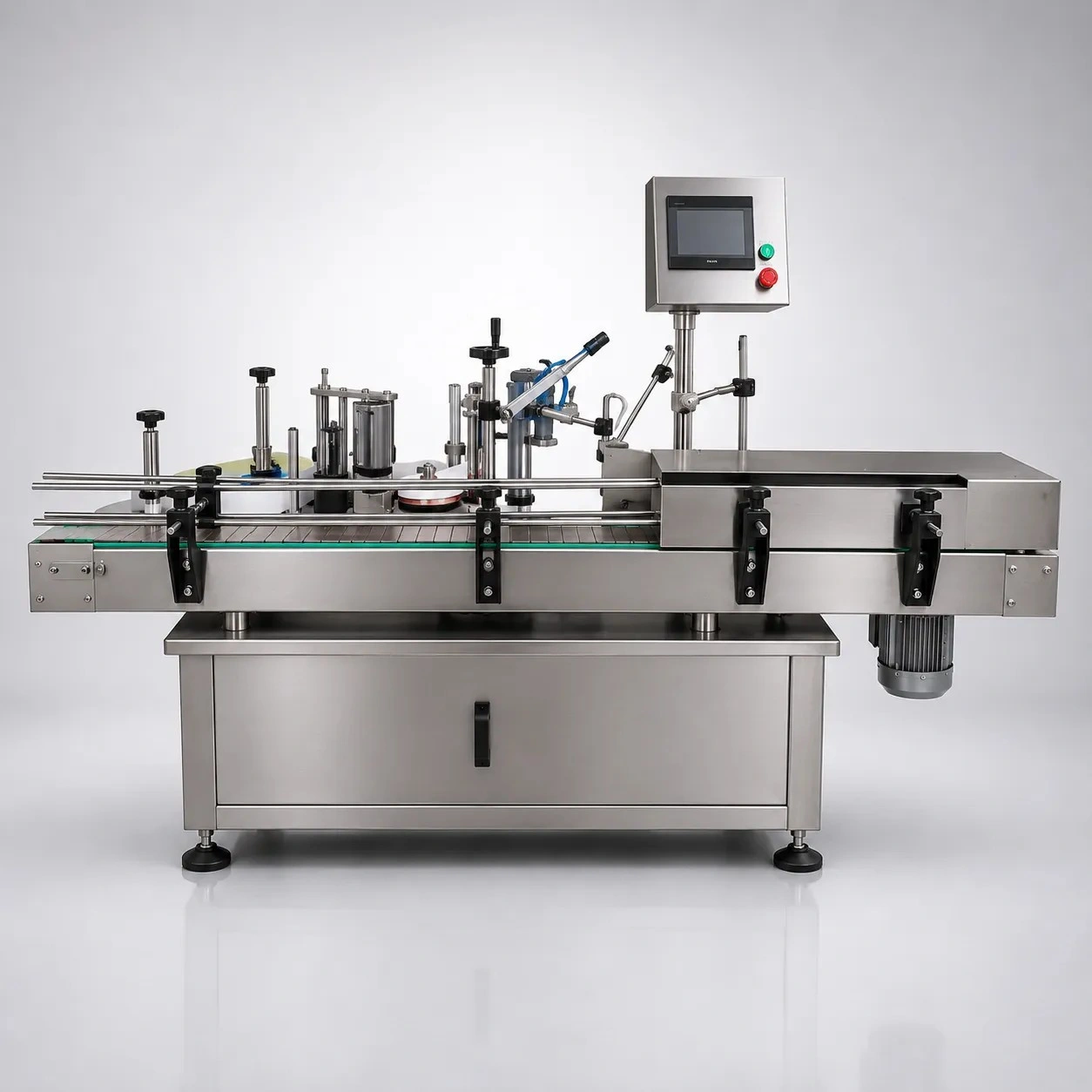
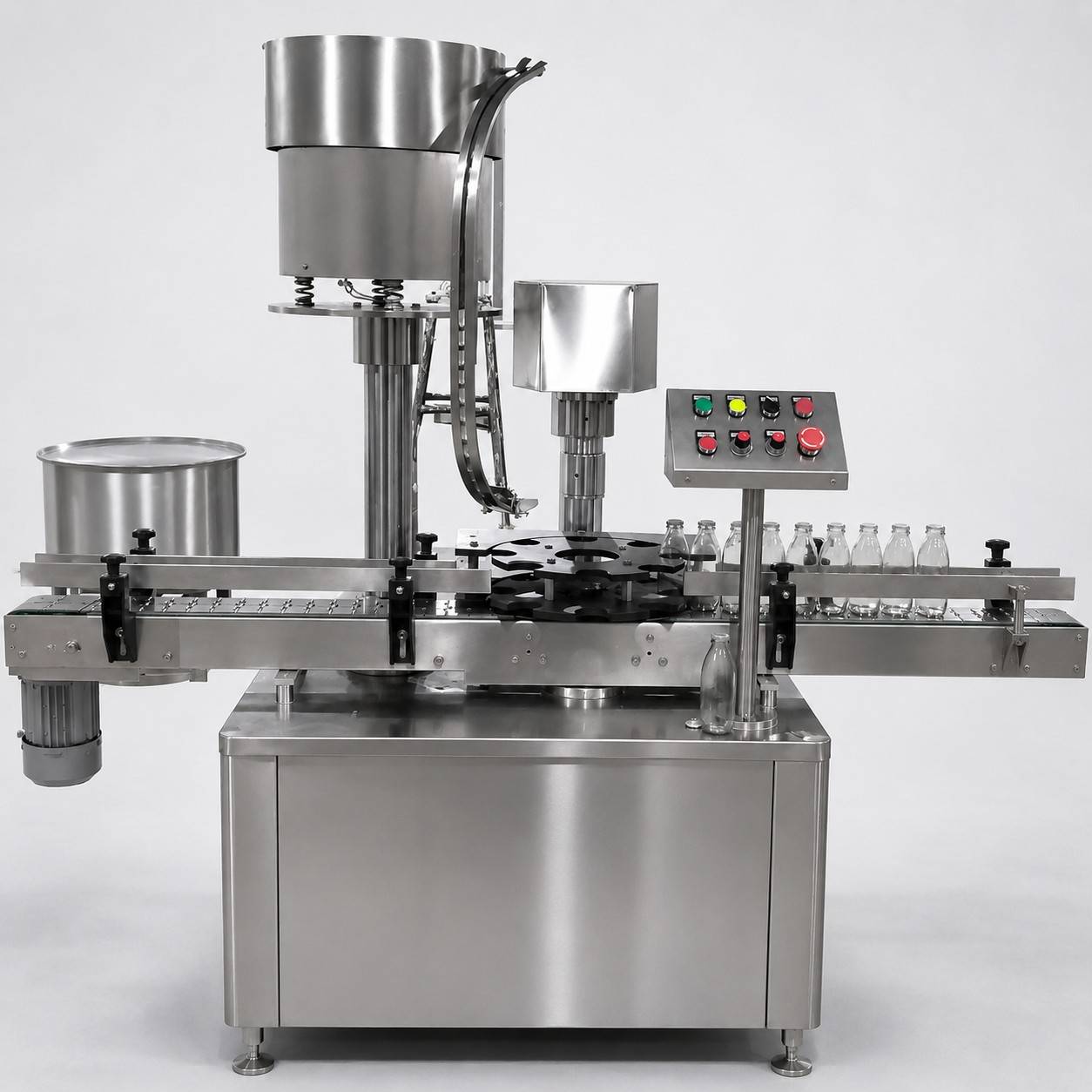
Packaging Requirements in the Floor Cleaner Industry
Unlike many liquid products, floor cleaners are often marketed in multiple fragrance variants, concentration levels, and pack sizes. Manufacturers must therefore manage diverse packaging requirements while maintaining production efficiency.
Typical packaging formats include:
- Retail bottles for household use
- Economy refill packs
- Family-size containers
- Professional cleaning supplies
- Institutional packaging
- Industrial bulk containers
A flexible filling system allows manufacturers to switch between formats with minimal production disruption.
Equipment Used Across Floor Cleaner Production Lines
| Machine | Application |
|---|---|
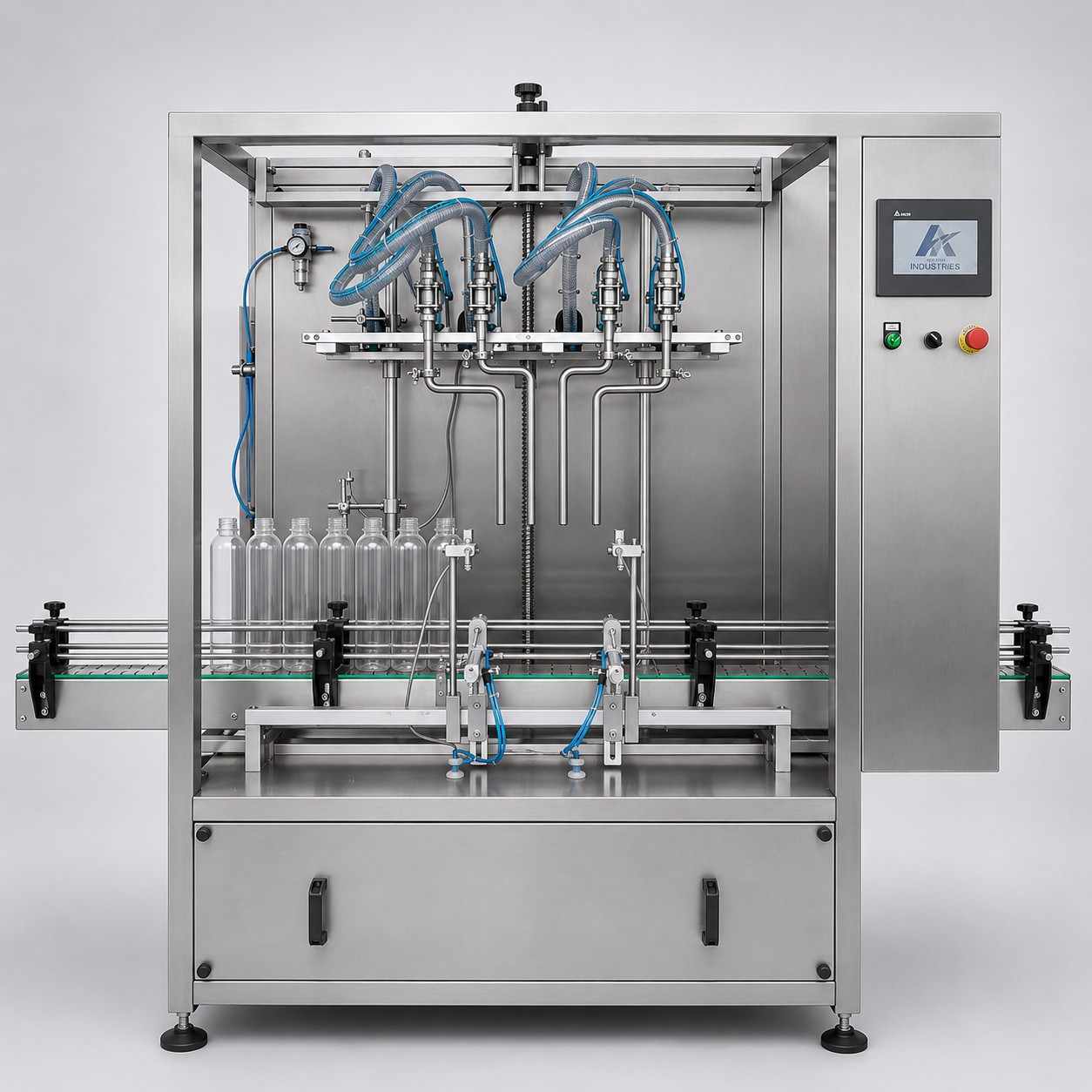
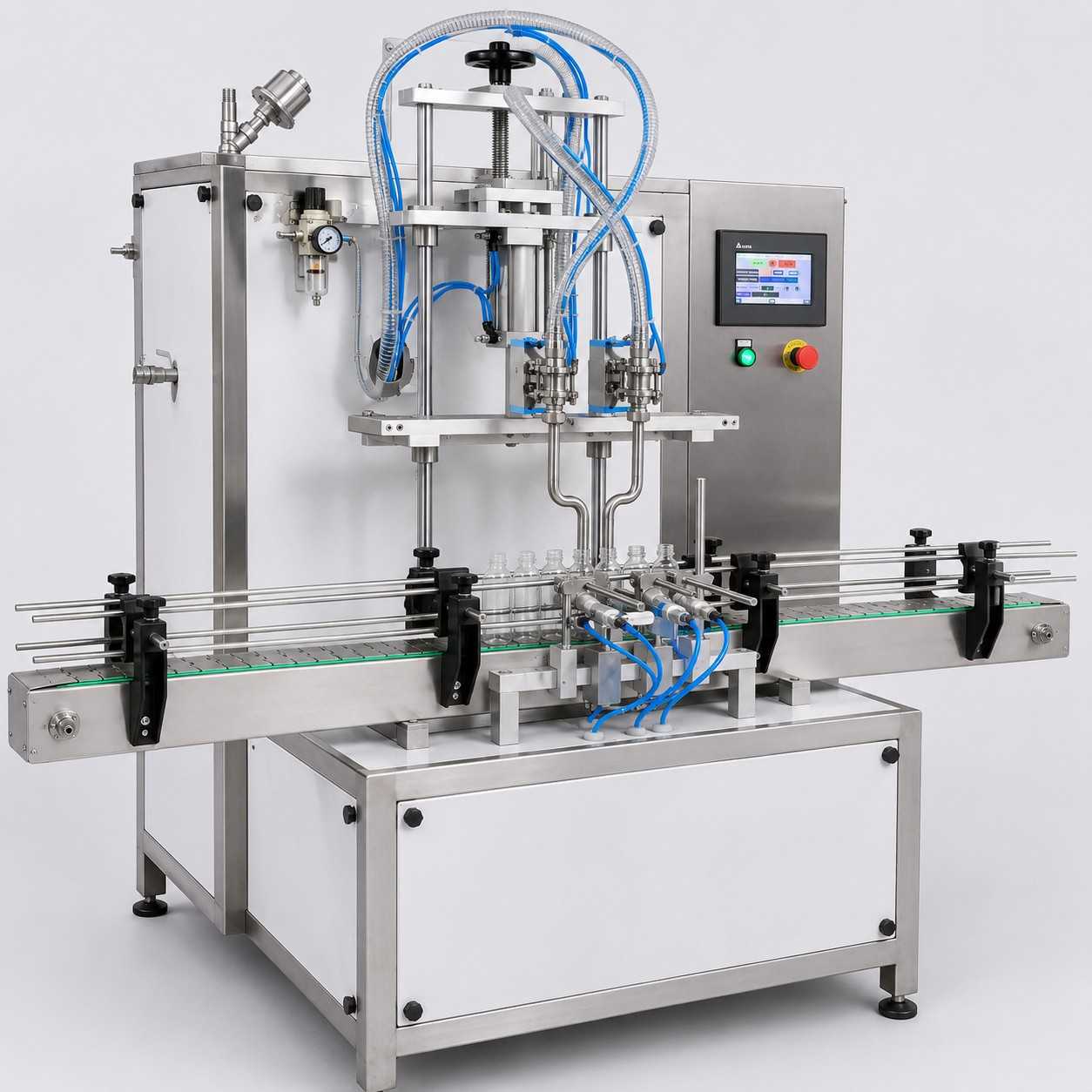
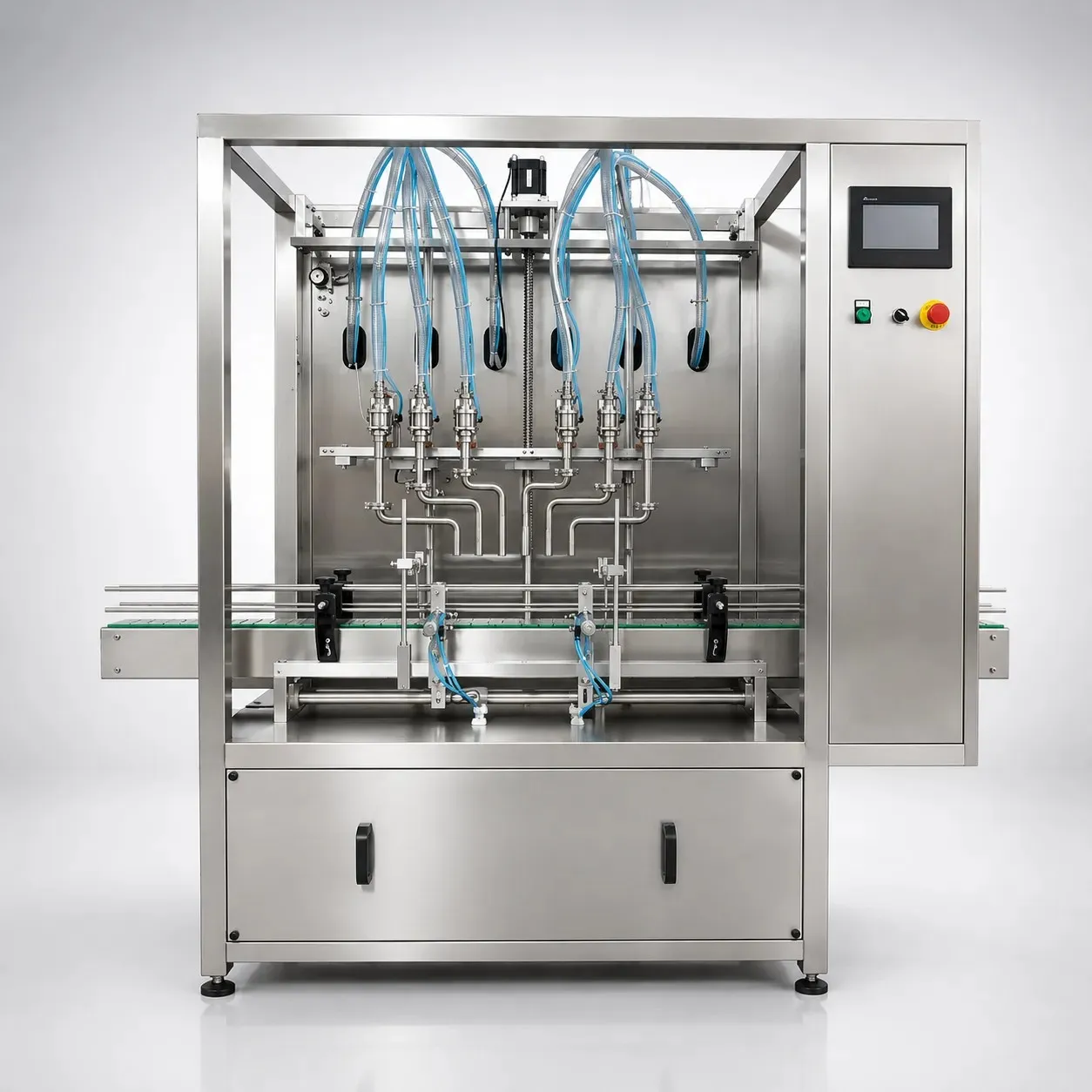
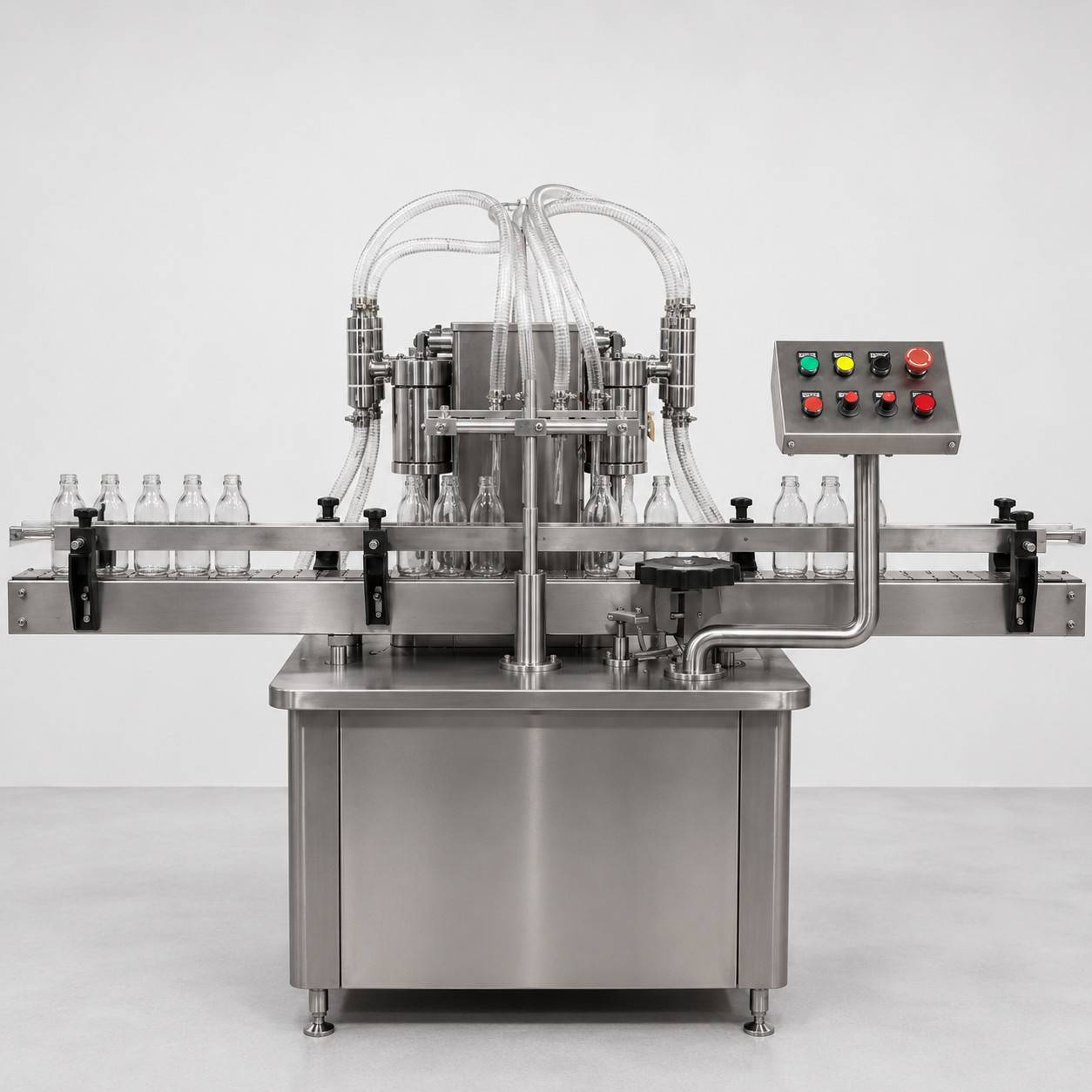
| Automatic Volumetric Liquid Filling Machine | Controlled dispensing of floor cleaner formulations |
| Servo Liquid Filling Machine | Precision filling for high-volume production environments |
| Capping Machine | Secure closure application and leak prevention |
| Labelling Machine | Product identification, branding, and compliance information |
| Complete Packaging Line | Integrated filling, capping, and labelling operations |
Market Trends Driving Production Expansion
Floor cleaner manufacturers are continuously expanding product portfolios to meet changing consumer preferences. Popular market segments include:
- Floral fragrance floor cleaners
- Citrus-based floor cleaners
- Antibacterial floor cleaners
- Multi-surface cleaning solutions
- Commercial floor maintenance products
- Concentrated cleaning liquids
As product ranges grow, manufacturers need equipment capable of handling multiple SKUs efficiently.
Importance of Filling Accuracy
Packaging consistency plays a critical role in product quality and customer satisfaction. Underfilled containers may result in customer complaints, while overfilling increases product loss and operational costs.
Modern filling systems help manufacturers achieve:
- Consistent fill volumes
- Improved packaging quality
- Reduced product wastage
- Better inventory control
- Enhanced operational efficiency
These advantages become increasingly important as production volumes increase.
Machine Capabilities
| Parameter | Configuration |
|---|---|
| Product Type | Floor Cleaners and Liquid Cleaning Solutions |
| Filling Technology | Volumetric / Servo Based |
| Filling Range | 50 ml to 5000 ml |
| Filling Heads | 2, 4, 6, 8, 12 |
| Machine Construction | SS304 / SS316 |
| Filling Accuracy | Up to ±1% |
| User Interface | PLC + HMI |
| Container Compatibility | PET, HDPE and Plastic Containers |
| Automation Options | Semi-Automatic to Fully Automatic |
| Power Requirement | 220V / 415V |
Why Manufacturers Upgrade Their Existing Filling Systems
Many growing manufacturers initially rely on manual or semi-automatic filling methods. As order volumes increase, these systems often become production bottlenecks.
Common reasons for upgrading include:
- Increasing daily production targets
- Reducing labor dependency
- Improving packaging consistency
- Managing multiple product variants
- Meeting distributor demand
- Supporting business expansion
An automated filling solution helps create a more efficient and scalable manufacturing environment.
Selecting the Right Equipment Configuration
Every production facility operates differently. Factors that influence equipment selection include:
- Daily production volume
- Number of product variants
- Bottle size range
- Available floor space
- Future expansion plans
- Desired automation level
Evaluating these factors helps manufacturers identify the most suitable machine configuration for long-term operational success.
Supporting Sustainable Production Practices
Efficient filling systems can also contribute to improved resource utilization by helping manufacturers reduce unnecessary product loss and improve production control. As sustainability becomes increasingly important within the cleaning products industry, efficient manufacturing processes are gaining greater attention.
Discuss Your Packaging Requirements
Whether producing household floor cleaners, institutional cleaning solutions, or commercial maintenance products, selecting the right filling equipment is an important step toward improving production efficiency and packaging consistency.
A properly configured filling system can help manufacturers increase output, maintain quality standards, and support future business growth.