
The demand for hand sanitizers has transformed manufacturing requirements, pushing producers to focus on throughput, consistency, and packaging reliability. Whether supplying retail markets, healthcare facilities, educational institutions, or industrial users, efficient production systems are essential for maintaining supply and quality standards.
A well-designed filling setup enables manufacturers to streamline operations while ensuring uniform product presentation across every container.
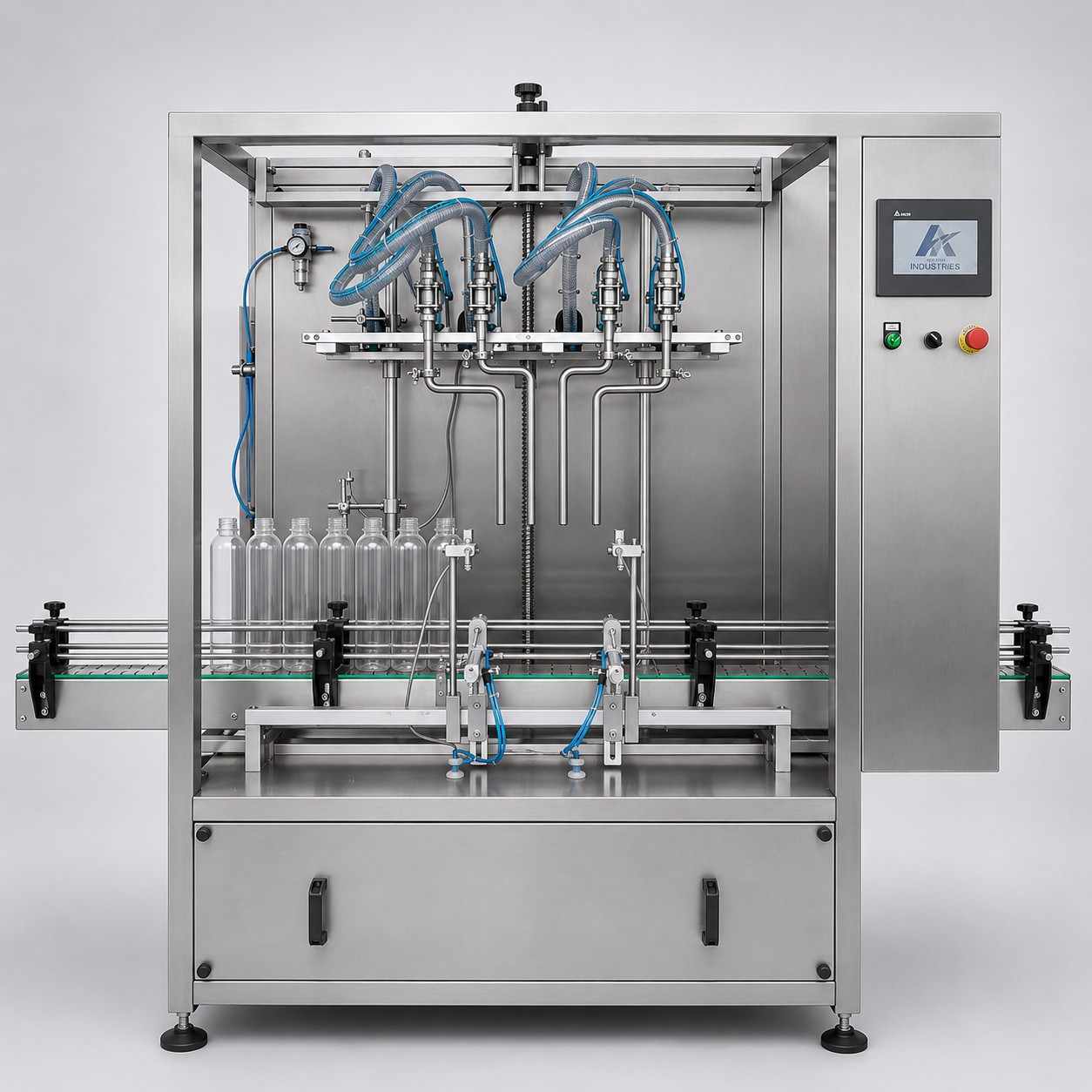
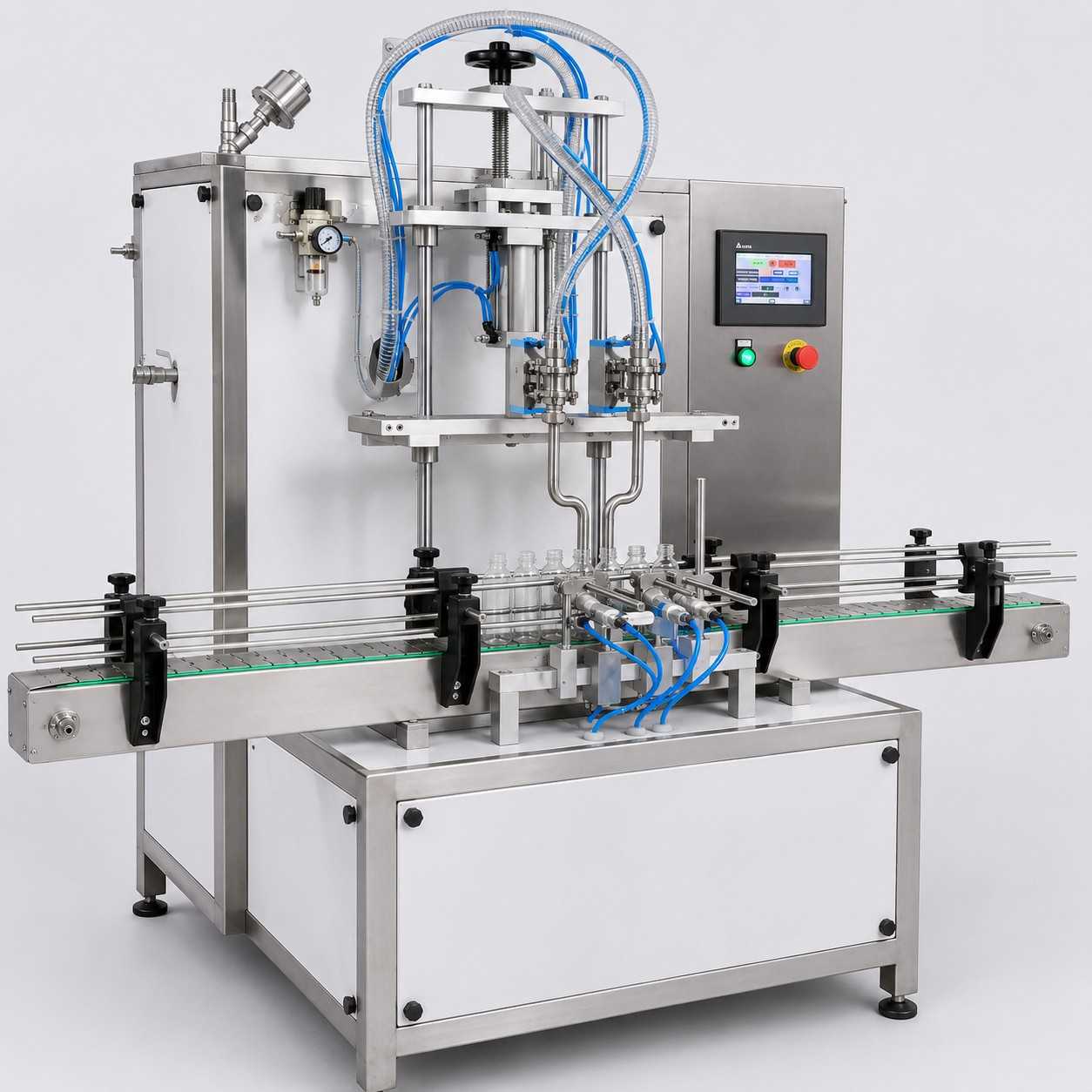
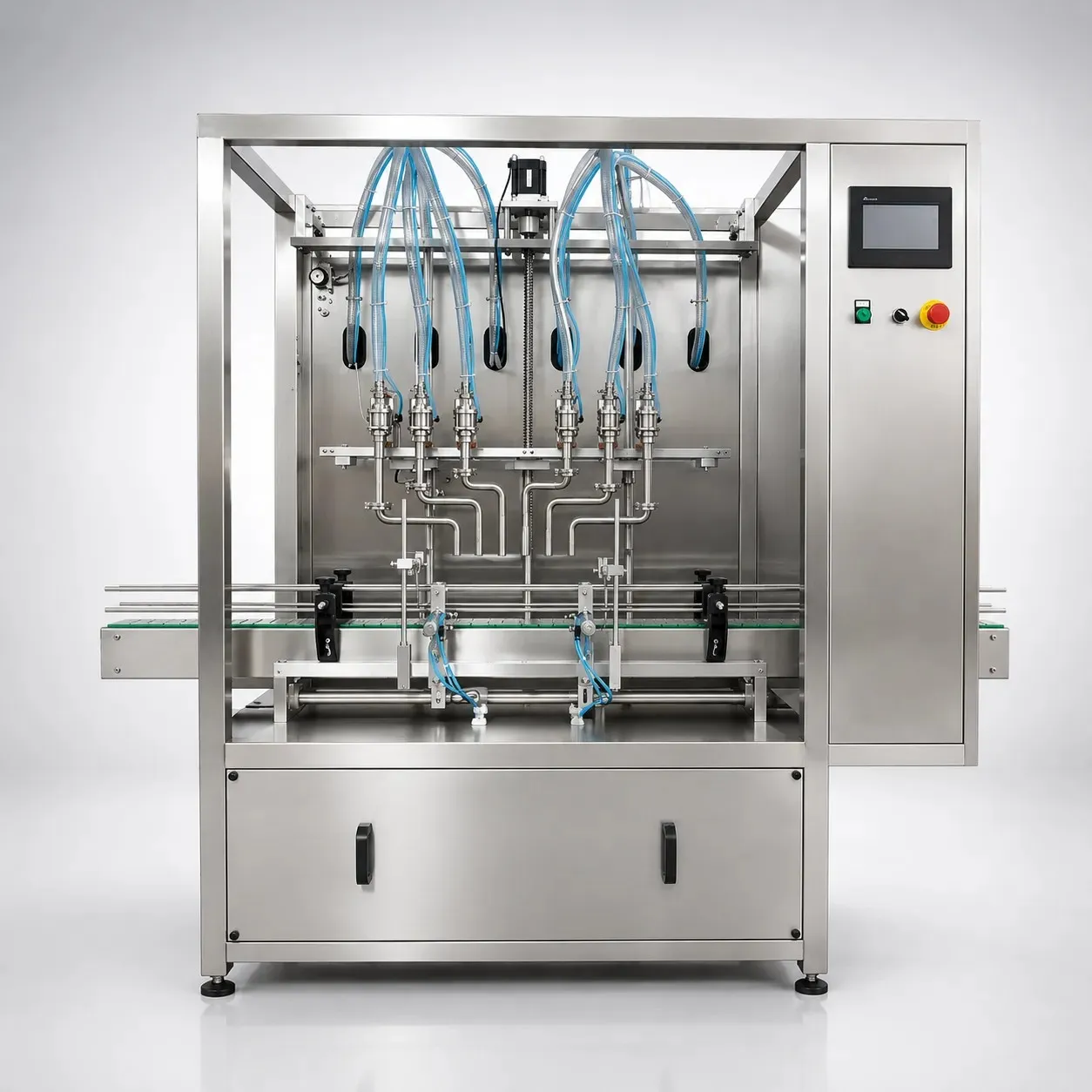
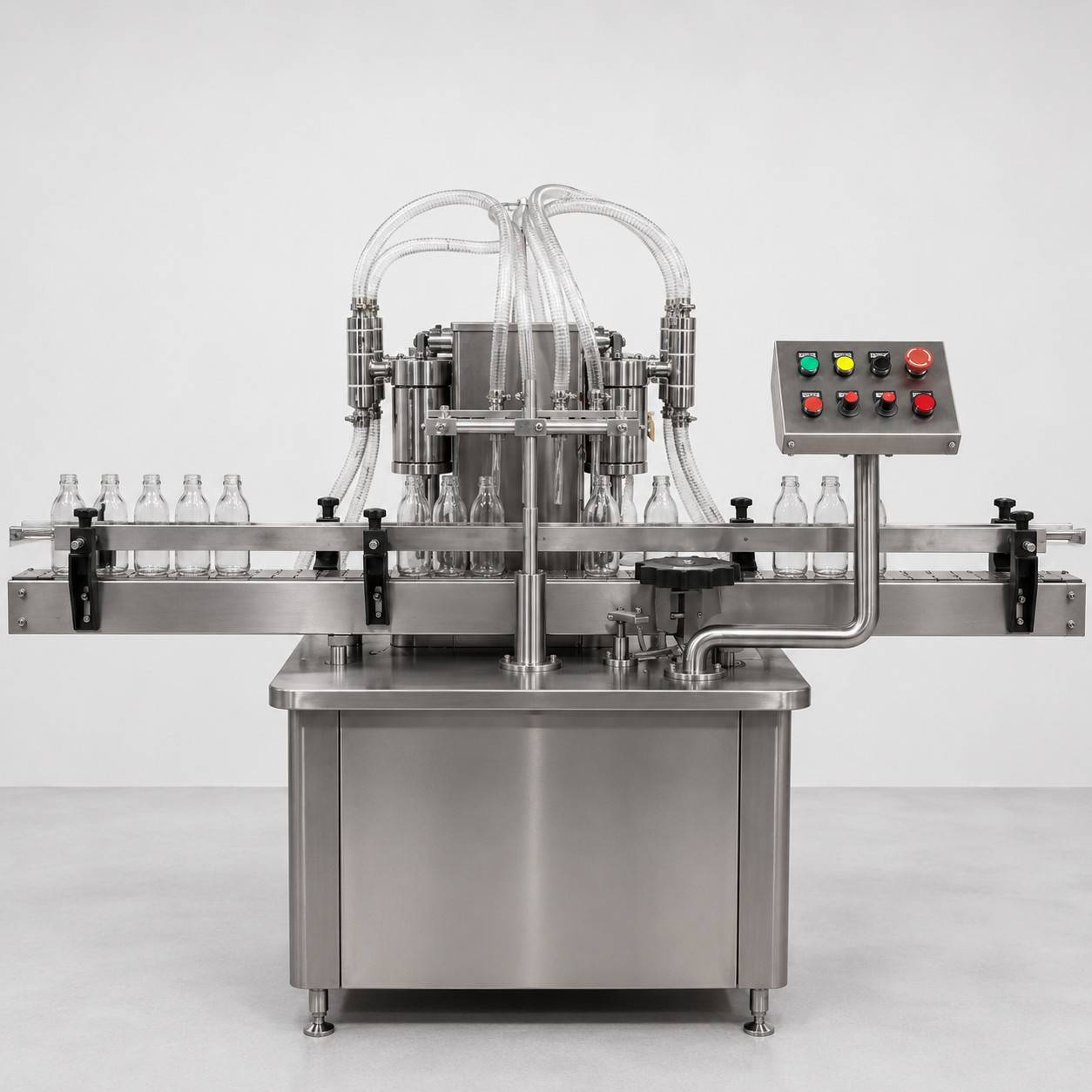
Packaging Formats Commonly Used for Sanitizer Products
Hand sanitizer manufacturers often package products in a variety of container formats, including:
- Pocket-size sanitizer bottles
- Personal-use pump bottles
- Family-size containers
- Institutional packaging
- Refill packs
- Trigger spray bottles
- Bulk supply containers
The ability to accommodate multiple packaging formats allows manufacturers to respond quickly to changing market demands.
Equipment Used Across Sanitizer Production Lines
| Machine | Application |
|---|---|
| Automatic Volumetric Liquid Filling Machine | Controlled dispensing of sanitizer formulations |
| Servo Liquid Filling Machine | Precision-driven production environments |
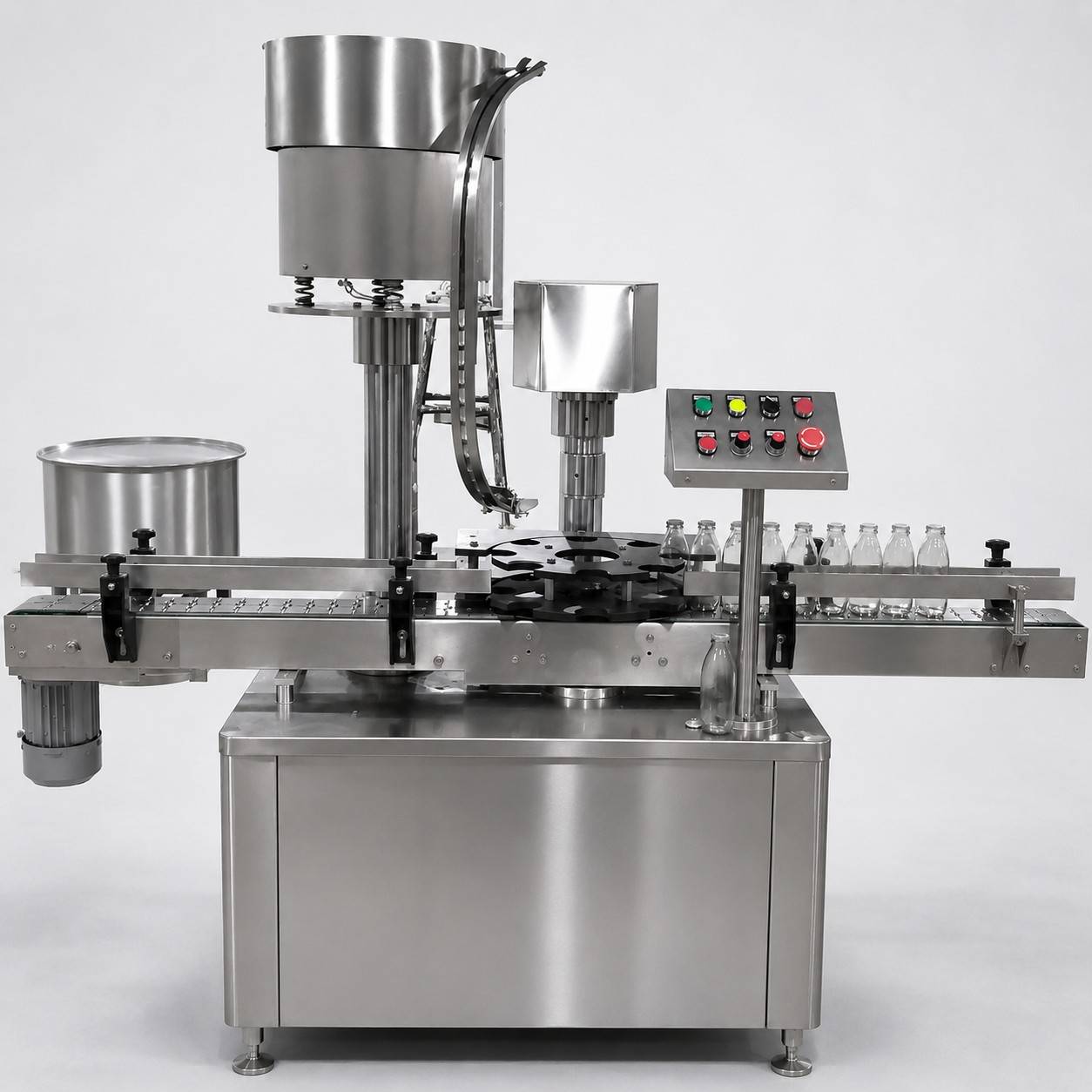
| Capping Machine | Closure application and container protection |
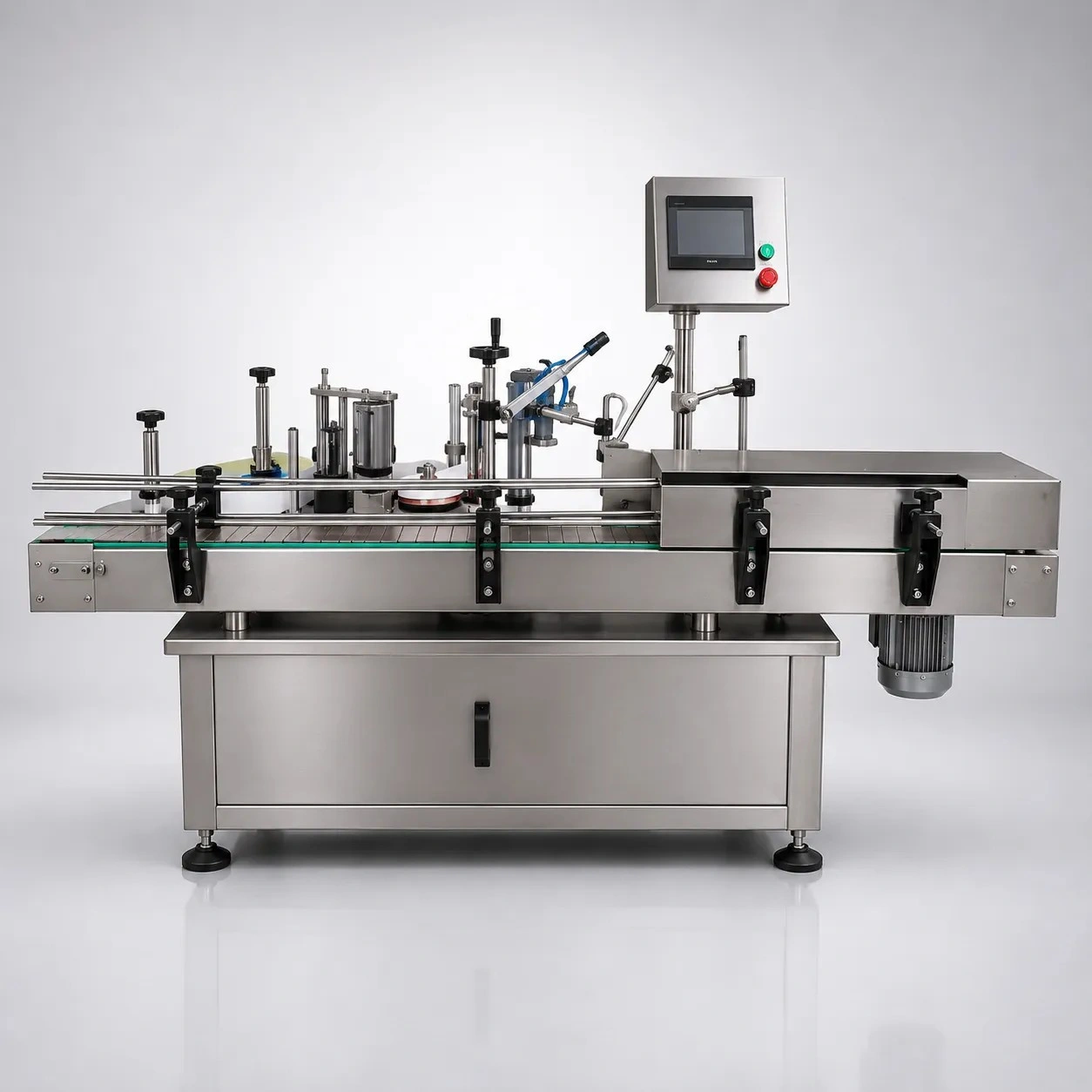
| Labelling Machine | Product identification and regulatory information |
| Complete Packaging Line | End-to-end container processing |
Production Goals Every Manufacturer Wants to Achieve
Regardless of production scale, most facilities focus on similar operational objectives:
- Stable output rates
- Uniform container presentation
- Minimal product loss
- Reduced manual involvement
- Faster order fulfillment
- Consistent packaging standards
Selecting appropriate equipment plays a major role in achieving these targets.
Areas Where Automation Delivers the Greatest Value
As production volumes increase, manual handling often becomes a limiting factor. Automated systems help manufacturers improve workflow by reducing bottlenecks between packaging stages.
Key advantages include:
- Better process control
- Repeatable filling performance
- Improved line productivity
- Lower dependency on manual operations
- Greater production flexibility
- Simplified scaling of manufacturing capacity
Machine Capabilities
| Parameter | Configuration |
|---|---|
| Operating Principle | Volumetric / Servo |
| Volume Range | 50 ml to 5000 ml |
| Filling Stations | 2, 4, 6, 8, 12 |
| Construction Material | SS304 / SS316 |
| Accuracy Level | Up to ±1% |
| User Interface | PLC + HMI |
| Container Compatibility | PET, HDPE and Plastic Containers |
| Product Compatibility | Liquid & Semi-Viscous Formulations |
| Power Requirement | 220V / 415V |
| Automation Options | Semi-Automatic to Fully Automatic |
Planning for Future Production Growth
When evaluating packaging equipment, manufacturers should consider not only current requirements but also future business objectives.
Important considerations include:
- Expected output growth
- Product portfolio expansion
- Packaging format changes
- Facility layout
- Workforce requirements
- Long-term operational costs
An equipment configuration designed for future scalability can help avoid unnecessary upgrades later.
Key Considerations Before Selecting Equipment
Can different container sizes be processed on the same system?
Yes, machine settings can be adjusted to accommodate multiple container formats.
Is the equipment suitable for various sanitizer formulations?
Yes, the systems are designed for liquid and semi-viscous products.
Can production capacity be increased in the future?
Yes, machine configurations can be selected based on expansion plans.
Can individual machines operate independently?
Yes, standalone machines and integrated lines are both available.
Is customization available for specific applications?
Yes, machine configurations can be tailored to production requirements.
Discuss Your Production Requirements
Every manufacturing facility operates under different production conditions, packaging formats, and output expectations. Selecting the right equipment begins with understanding these requirements and aligning them with the appropriate machine configuration.
Whether your objective is to improve efficiency, expand capacity, or modernize existing operations, we can help identify the most suitable solution for your manufacturing environment.