
A bottle capping machine is an important part of any packaging line. It helps secure caps properly and reduces manual work during production.
If you manufacture shampoo, handwash, edible oil, liquid soap, chemicals or other packaged products, choosing the right capping machine can improve your packaging process.
But which machine should you buy? Here are the main things to consider before making a decision.
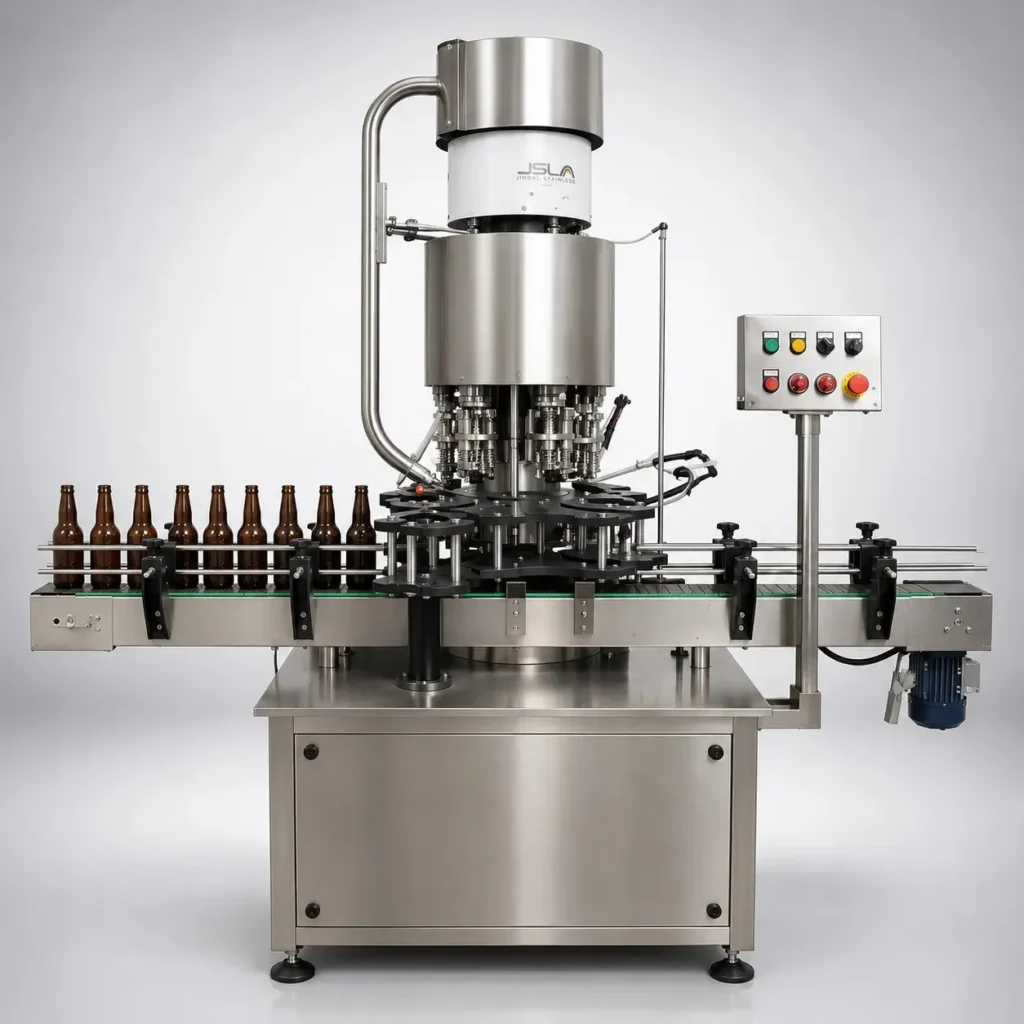
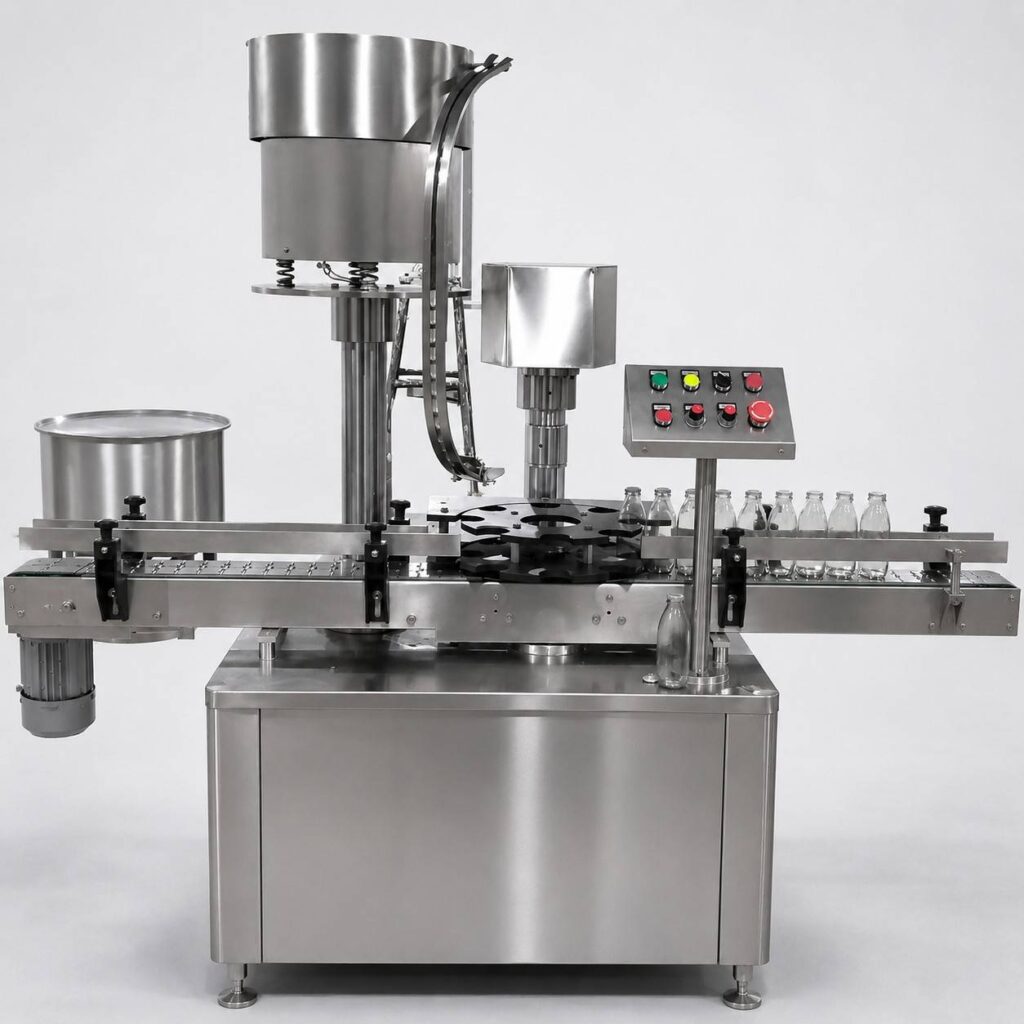
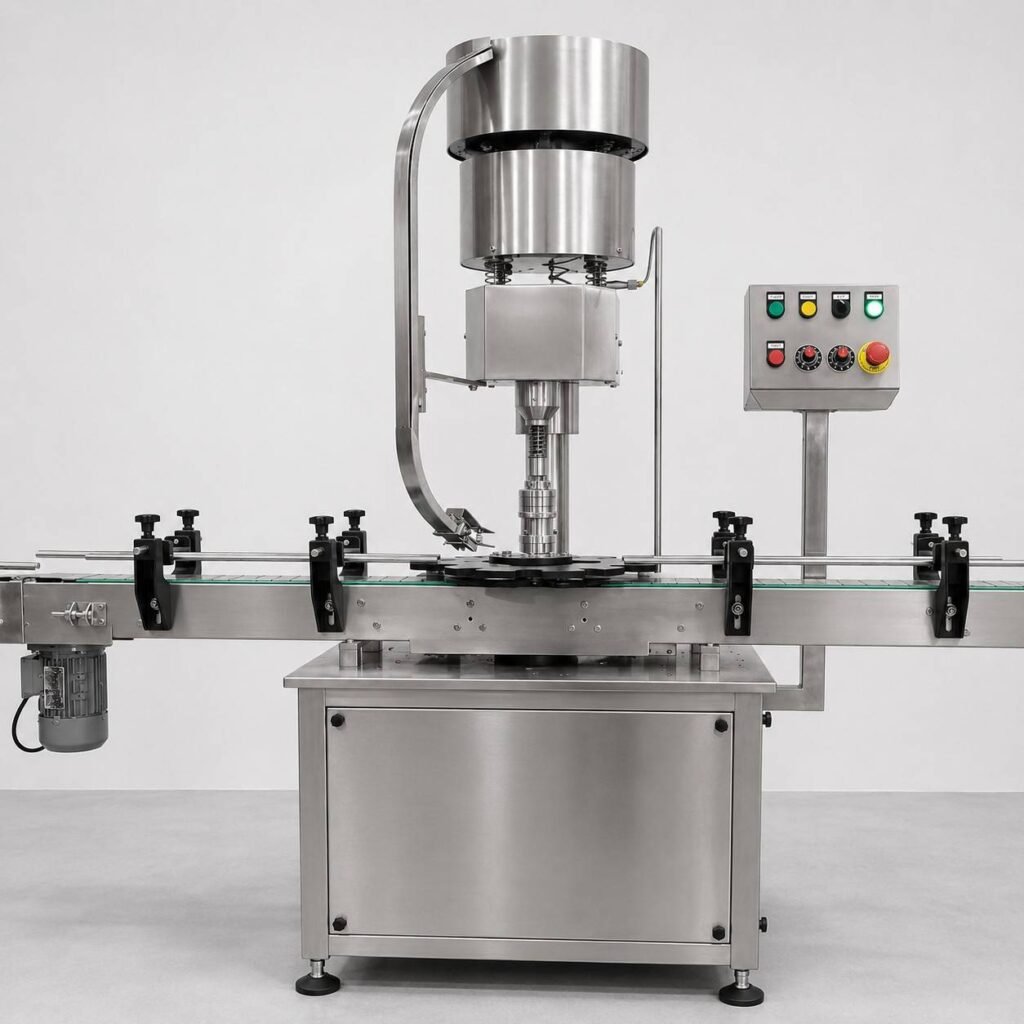
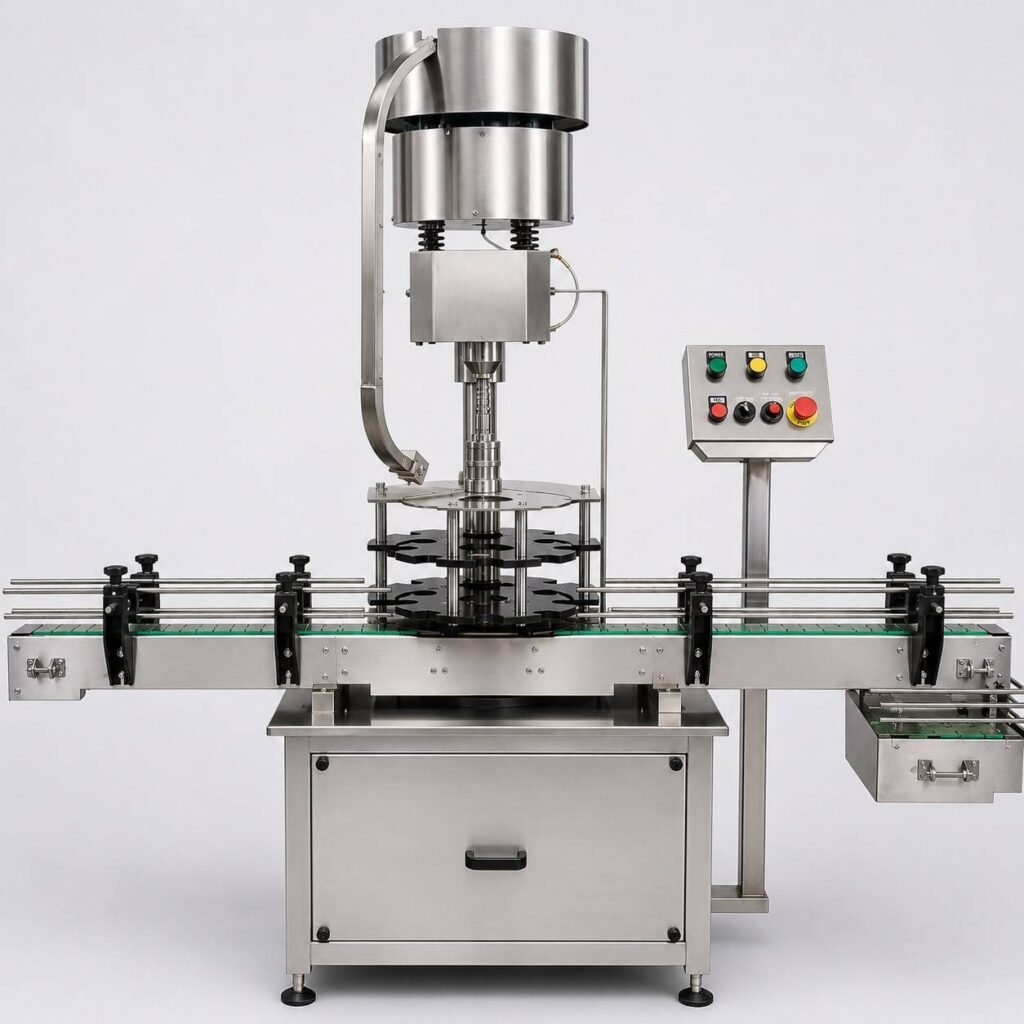
1. Check Your Bottle Type
First, identify the type of bottles you use.
- Plastic bottles
- Glass bottles
- Round bottles
- Square or rectangular bottles
Bottle height, diameter and shape affect machine selection. Share your bottle dimensions or samples with the manufacturer before ordering.
2. Identify Your Cap Type
Different products use different types of caps.
Common examples include:
- Screw caps
- Plastic caps
- Flip-top caps
- Pump caps
- Trigger spray caps
Not every capping machine can handle every cap type. Always confirm compatibility before purchasing.
3. Decide Your Production Capacity
How many bottles do you need to cap per hour?
Your production target helps determine the machine capacity and configuration.
Consider:
- Daily bottle production.
- Required bottles per hour.
- Number of working hours.
- Conveyor and bottle feeding arrangements.
Choose a machine according to your actual production needs rather than simply selecting the highest advertised speed.
4. Check the Capping Mechanism
The capping mechanism should tighten or secure the cap properly.
For screw caps, correct tightening is particularly important.
- Loose caps can cause leakage.
- Excessively tight caps can damage the cap or bottle.
- Incorrect tightening can make bottles difficult to open.
Ask the manufacturer about tightening adjustment and torque control, if applicable.
5. Consider Different Bottle Sizes
If your factory uses multiple bottle sizes, check whether the machine can accommodate them.
For example, a shampoo manufacturer may use 200 ml, 500 ml and 1 litre bottles.
Ask about:
- Bottle height adjustment.
- Bottle diameter compatibility.
- Cap size compatibility.
- Changeover time.
- Additional change parts.
This will help you understand the machine’s flexibility.
6. Check Machine Construction
Machine construction should suit your production environment.
Ask about the materials used for the machine frame and other components.
Stainless steel construction may be preferred for food, cosmetic and pharmaceutical applications, depending on the requirements.
Also check whether the machine is easy to clean and maintain.
7. Standalone Machine or Complete Packaging Line?
Some manufacturers need only a capping machine, while others want to automate their complete packaging process.
A typical packaging line includes:
- Liquid filling machine.
- Bottle capping machine.
- Labelling machine.
- Conveyor system.
If you are planning a complete setup, make sure the machines are compatible with each other.
8. Check Maintenance and Service Support
Before purchasing, ask about:
- Routine maintenance.
- Spare parts availability.
- Operator training.
- Installation support.
- After-sales service.
Reliable technical support helps keep your production running smoothly.
9. What Determines the Price of a Capping Machine?
The price depends on the machine specifications and your requirements.
Important factors include:
- Type of cap.
- Bottle dimensions.
- Production capacity.
- Automation level.
- Capping mechanism.
- Number of capping heads.
- Additional accessories.
When requesting a quotation, share your bottle and cap samples. This helps the manufacturer recommend the right configuration.
10. Choose the Right Capping Machine Manufacturer
Before placing an order, discuss your requirements with the manufacturer.
Check the machine specifications, supported cap types, production speed, installation and service support.
Do not compare machines on price alone. Make sure the specifications match your actual requirements.
Information Required to Get a Capping Machine Quotation
Keep these details ready when contacting a manufacturer:
- Product name.
- Bottle material and shape.
- Bottle dimensions.
- Cap type and size.
- Required bottles per hour.
- Number of bottle sizes.
- Standalone machine or complete packaging line requirement.
You can also share bottle and cap photographs for better understanding.
Automatic Bottle Capping Machine Manufacturer
We manufacture packaging machinery for different industrial applications.
Our capping machines are designed for businesses looking to automate their bottle closing process.
Whether you are setting up a new manufacturing unit or upgrading your existing packaging line, we can help you explore suitable machine options.
Visit our Automatic Capping Machine product page.
Looking for a bottle capping machine?
Share your bottle details, cap type and production requirements with us. Contact our team for machine specifications and a quotation.
Frequently Asked Questions
1. What is an automatic bottle capping machine?
It is a machine used to place and secure caps on bottles with reduced manual involvement.
2. Can one capping machine handle different bottle sizes?
Yes, depending on the machine design and available adjustment arrangements.
3. Which capping machine is suitable for plastic bottles?
It depends on the bottle design, cap type and production capacity. Share your samples with the manufacturer for the right recommendation.
4. Can a capping machine work with a liquid filling machine?
Yes. It can be integrated with a filling machine and conveyor to create an automatic packaging line.
5. What details are required for a capping machine quotation?
Bottle dimensions, cap type, production capacity and packaging requirements.